
Personal Story: When you think you know exactly where your HR career is taking you, think again
By Sommer Sherrod, M.A., M.Ed
There may come a day when you sit in your HR seat across from your business leaders and suddenly realize: I can solve so much more than this business’s “people” problems.
That was me 9 years ago, and it hit me like a ton of bricks.
I had been in HR functions my entire career and had begun leading the Executive Development function for UnitedHealthcare’s Employer and Individual business. It was one of the most fun and creative leadership roles I’d ever had and one that truly made me a student of the healthcare industry.
While I led leadership programs for the top 100 leaders in the business, I became keenly aware of how many obstacles face the healthcare system, how much the broken system translates to utilization problems, and how easy it is for the system to disappoint when people truly need healthcare to work for them.
I attended many broker events where I gained unfiltered purview to a variety of different firms and approaches designed for middle market employers. Brokers appeared to be masters at sales and relationships, full of charisma and energy. But the conversations often were sales and incentive focused. I didn’t understand why I wasn’t hearing more meaningful questions from that very important constituent group, since brokers are in fact advising companies on their healthcare strategies. Why weren’t they asking questions that any good HR person would be asking:
- How can we help business leaders truly devise strategies that drive cost down while elevating the plans they offer?
- What solutions make the most sense for each employer’s goals, whether that be increasing affordability or strengthening access to care?
- How do we better educate front line employees and minimize complexity so people can truly understand what they’re buying and make good decisions for their families?
- How can we make Employee Benefits a true differentiator for employers, so employees view Employee Benefits as something positive and not complicated and irritating?
I began asking these questions, and a few of my business leaders half-jokingly said: “Ya know, you should be a broker! You have the core skills that could really make a difference out there. You can always come back to HR if we are wrong.”
That is when my career transition began. I realized my expertise in HR could be utilized in other ways than traditional human resources. Benefits are part of HR, right? Wellness is an important function of the HR world, right? I realized that insurance products provide people with financial protection for their healthcare expenses. And at the same time I realized that most insurance brokers – the “middle men” who transacted that coverage – often we are more sales than HR and did not always have employers or employees as top stakeholders. Lightbulb moment: I can change that!
I laughed for a while.
But…. The rest is history.
I’ve been learning, disrupting, serving, and bringing fresh perspective to this industry ever since.
Did I ever think I’d be in a role outside of traditional HR? ABSOLUTELY NOT.
Did I ever think I’d be on the dreaded “vendor” side? HECK NO.
Did I think I’d be so passionate about making a difference in a space that sorely needs it? 100% YES.
Because that is who I am and is in fact what wakes most of us HR leaders up in the morning. We are deeply committed to truly serving “humans”, and more healthcare advisors need this quality. They need to care more about what really matters – not about incentives and “getting through” another enrollment.
Bottom lines:
You never know where your love for HR will take you when you follow a path that ignites your passion and inspires you to make an impact. Employee Benefits is an excellent alternative path for HR leaders who love Organizational Effectiveness, Leadership Development, and Employee Engagement/Culture, because those skills sets come highly in handy in the day-to-day job.
Don’t be afraid to let your business leaders develop you as much as you develop them, because I’m incredibly grateful that my friends at UnitedHealthcare encouraged me to explore an alternate career path because they saw my potential to make an impact.
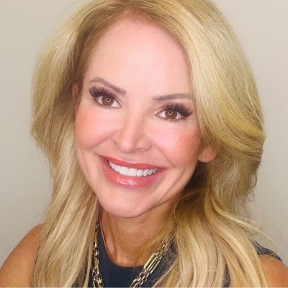
Sommer Sherrod
Sommer Sherrod is a highly regarded Healthcare Strategist, Human Resources thought leader, and former Adjunct Professor. With a diverse career spanning various industries and Fortune 100 companies, Sommer has solved a myriad of Human Resources challenges. Human Resources experience, insurance carrier experience, and insurance broker experience combine to equip her with a deep understanding of the key aspects of the Employee Benefits equation that few others possess. Her mastery of Employee Engagement, Leadership Development, Organizational Effectiveness, Culture, and Change Management strengthens her Employee Benefits strategies.
Sommer attended the University of Florida from 1995 to 1998, earning a Bachelor of Science in Psychology. In 2000, she completed her Master of Education degree in Counseling Psychology and an M.A. in Organizational Psychology at Columbia University in New York City. In recognition of her commitment to advancing healthcare, the Leukemia & Lymphoma Society named Sommer the 2022 Woman of the Year for her top fundraising efforts in the Man & Woman of the Year campaign. Sommer is active in the community, serving on the board of the Make-A-Wish Foundation, leading the Orlando chapter of DisruptHR, and acting as the Awards and Recognition Director for SHRM Florida State Council.
Sommer can be reached at [email protected] or [email protected].