
Letter from the Editor
April 2026 Edition
Culture has become one of the most discussed — and often misunderstood — topics in today’s workplaces. In boardrooms, breakrooms, and conference sessions alike, leaders are asking the same questions: What is culture really? Who owns it? And how do we build one that drives both performance and engagement?
At its core, culture is not a slogan, a set of values on a wall, or a once-a-year employee survey. Culture is the lived experience of work. It is how decisions are made, how people are treated under pressure, how performance is measured, and how success is recognized. It shows up in the everyday interactions between supervisors and employees, in the clarity of expectations, and in the level of trust that exists across teams.
For HR professionals, culture represents both a tremendous opportunity and a complex responsibility. We are uniquely positioned to influence how organizations define expectations, connect qualifications to performance, and create environments where individuals can contribute their best work. Yet culture cannot be “owned” by HR alone. It is shaped continuously by leaders at every level — through what they prioritize, tolerate, reward, and communicate.
As HR leaders, we must continue to facilitate honest conversations about culture. This means helping managers develop stronger communication skills, ensuring systems and policies align with desired behaviors, and using data to identify gaps between intention and experience. It also means celebrating progress. Culture is not built overnight; it is refined through consistent effort and shared accountability.
Ultimately, culture is a reflection of collective choices. Each interaction, decision, and expectation contributes to the environment employees experience every day. When organizations commit to clarity, respect, and continuous improvement, culture becomes more than an initiative — it becomes the foundation for sustainable performance and human connection.
In the months ahead, let us challenge ourselves to move beyond defining culture and focus instead on living it.
Warm regards,
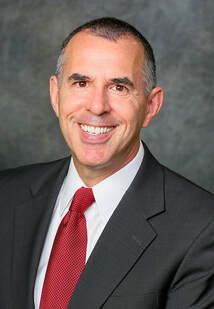
Alan Bernstein, SHRM-SCP
Council Secretary, SHRM Florida State Council
Alan serves on the Executive Committee of SHRM Florida State Council as Council Secretary. He is a Board Member of LEAD Brevard, past president of the Space Coast Human Resources Association, and teaches the HR Certification preparation class for SHRM-CP and SHRM-SCP at Eastern Florida State College. Additionally, he has been voted Best Consultant on the Space Coast, HR Florida Volunteer of the Year, and Melbourne Regional Chamber of Commerce Ambassador of the Year. Alan is active with his local community and provides free resume writing and job search seminars to local non-profits virtually and in-person.